Desigual shoes occupy a distinctive niche in the fashion market, reflecting the brand’s broader identity: bold, unconventional, and rooted in artistic self-expression. Founded in Barcelona in 1984, Desigual built its reputation on vibrant colors, patchwork designs, and a philosophy centered on individuality. While the brand is widely recognized for its apparel, its footwear line has steadily gained traction among consumers seeking something beyond standard, minimalist shoe design.
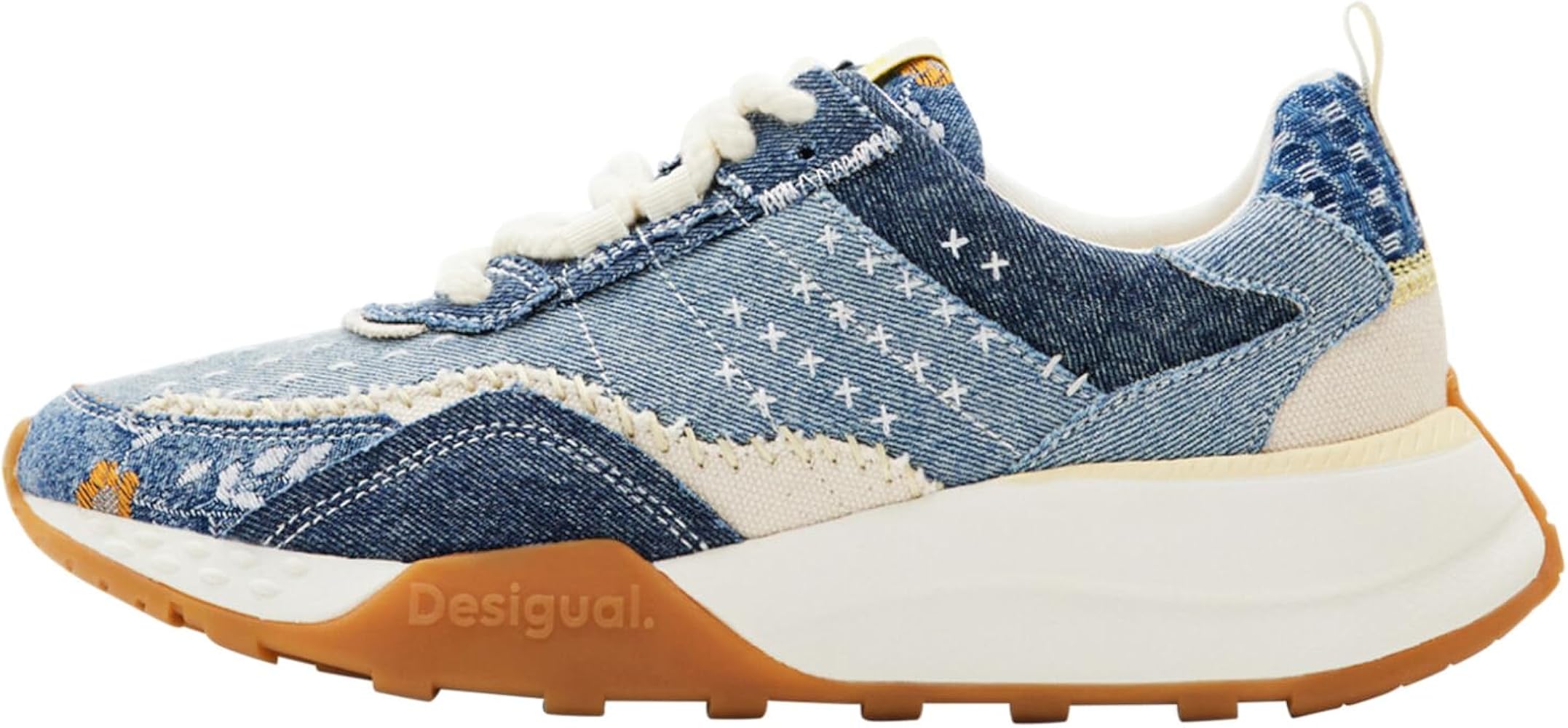
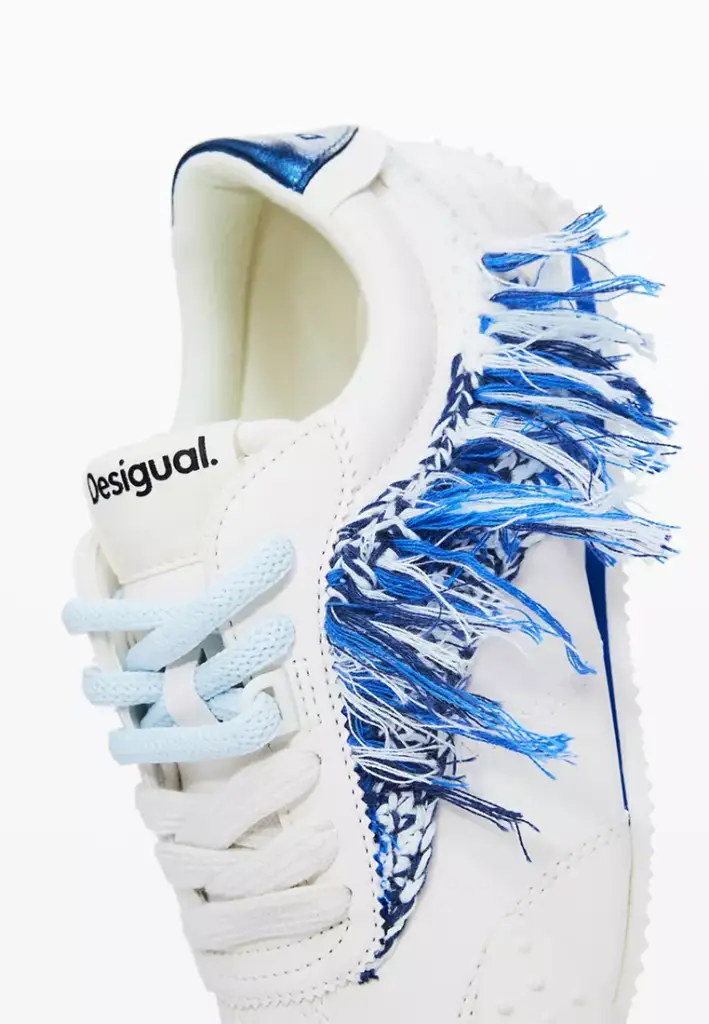
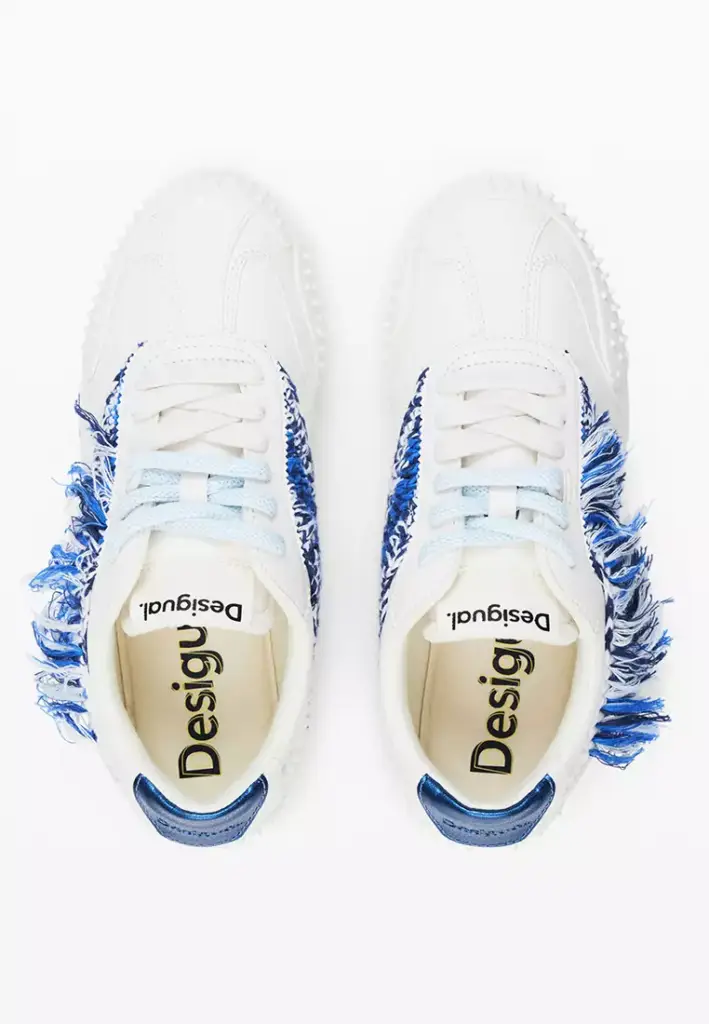
At the core of Desigual shoes is a clear design ethos: non-conformity. Unlike traditional footwear brands that prioritize uniformity and neutral palettes, Desigual embraces asymmetry, contrasting textures, and vivid patterns. Many of their shoes incorporate floral motifs, geometric prints, embroidered elements, and unexpected color combinations. This approach makes each pair visually striking, often transforming footwear into a focal point rather than a complementary accessory.
Product Range and Categories
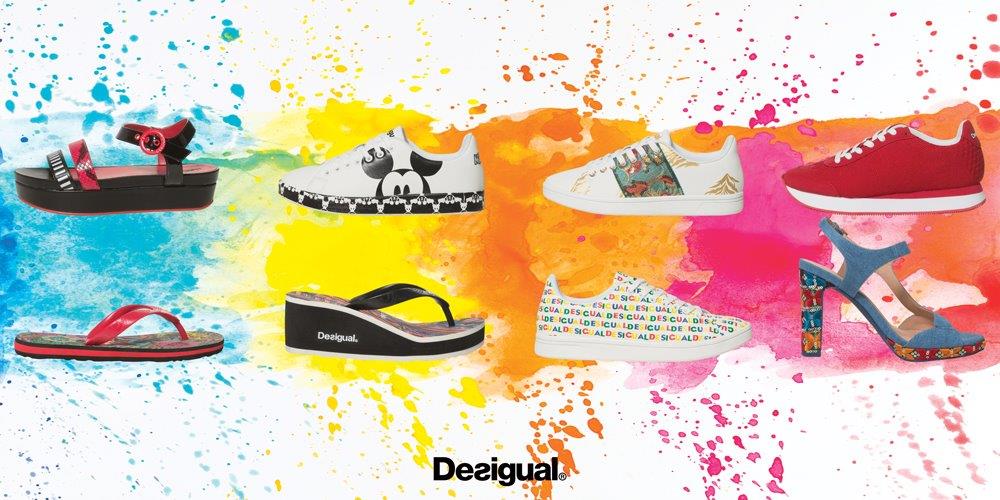
Desigual offers a diverse selection of footwear categories, each maintaining the brand’s distinctive aesthetic. The primary segments include:
- Sneakers – Typically the most popular category, combining casual comfort with bold visual elements.
- Sandals – Designed for warmer climates, often featuring bright colors and decorative details.
- Boots – Incorporating artistic patterns into more structured silhouettes.
- Slip-ons and casual shoes – Focused on ease of use while maintaining visual uniqueness.
Among these, sneakers stand out due to their versatility and frequent use of mixed materials such as textiles and synthetic leather. These combinations enhance both durability and visual complexity.
From a functional perspective, Desigual shoes are designed for everyday wear rather than specialized performance. Most models include cushioned insoles and flexible outsoles, making them suitable for daily activities such as commuting, walking, or casual social settings.
However, they do not compete directly with performance-oriented footwear brands in terms of ergonomic engineering or advanced support systems. Fit can also vary depending on the model, largely due to the diversity of materials and construction methods. For this reason, verifying sizing details or trying the shoes before purchase is advisable.
Desigual footwear typically utilizes a combination of synthetic materials and textiles. This enables the brand to achieve complex designs while maintaining a moderate price point. While visually effective, this material strategy has implications for durability.
“It’s not about the shoes, it’s what you do in them.”
Michael Jordan
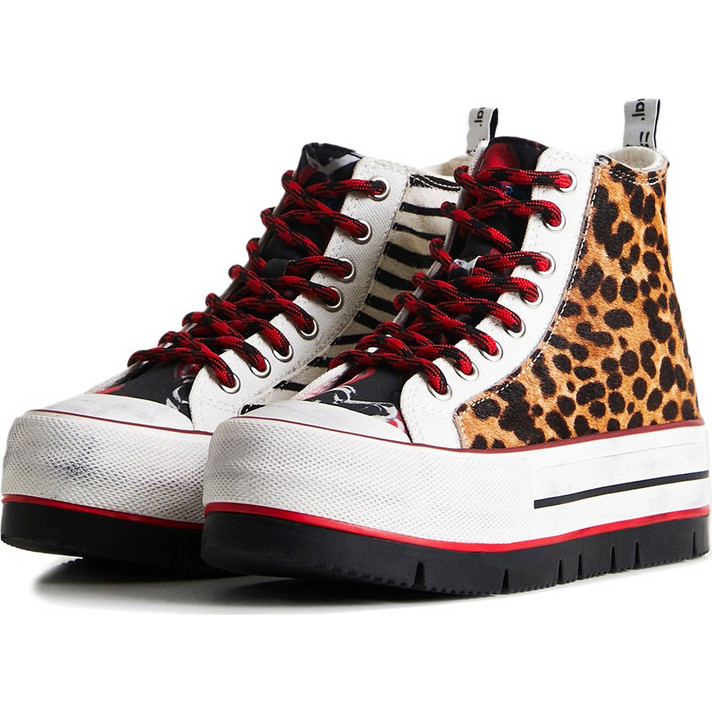
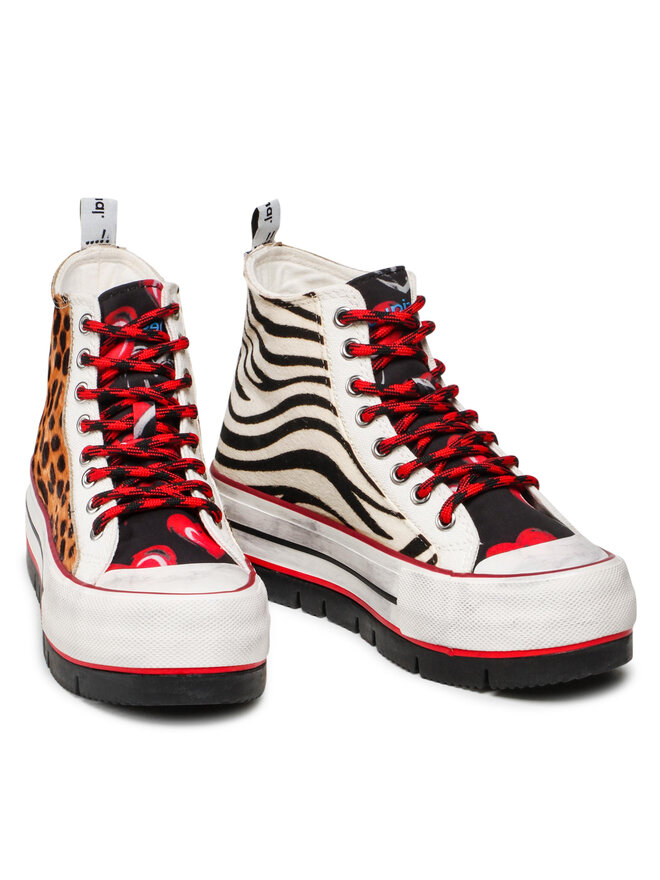
Desigual occupies a specialized niche within the footwear market, differentiated by its emphasis on artistic design and visual impact. By avoiding direct competition with performance-oriented or minimalist brands, the company reduces direct comparability and strengthens its appeal among consumers seeking originality.
This positioning enables Desigual to maintain a distinct brand identity and cultivate loyalty within a clearly defined target segment.feugiat enim a euismod. Mauris suscipit vehicula imperdiet.
Sustainability and Corporate Direction
In response to evolving market expectations, Desigual has initiated efforts to improve its sustainability practices. These include the gradual incorporation of more environmentally responsible materials and adjustments to production processes.
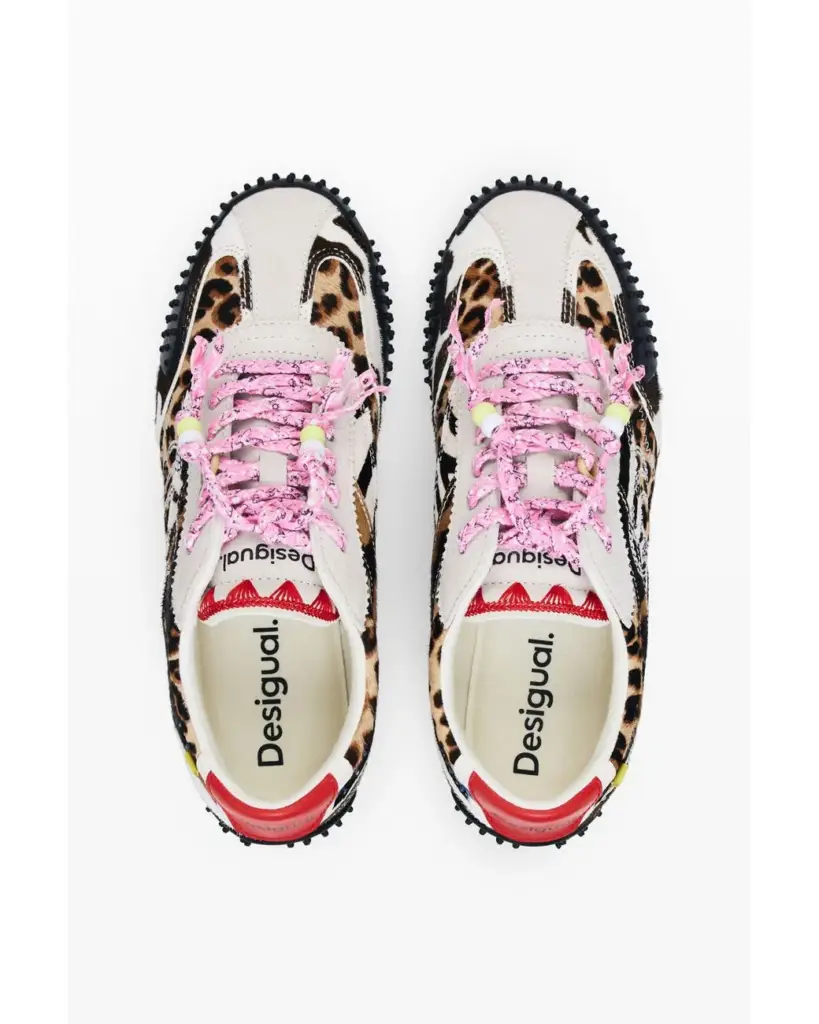
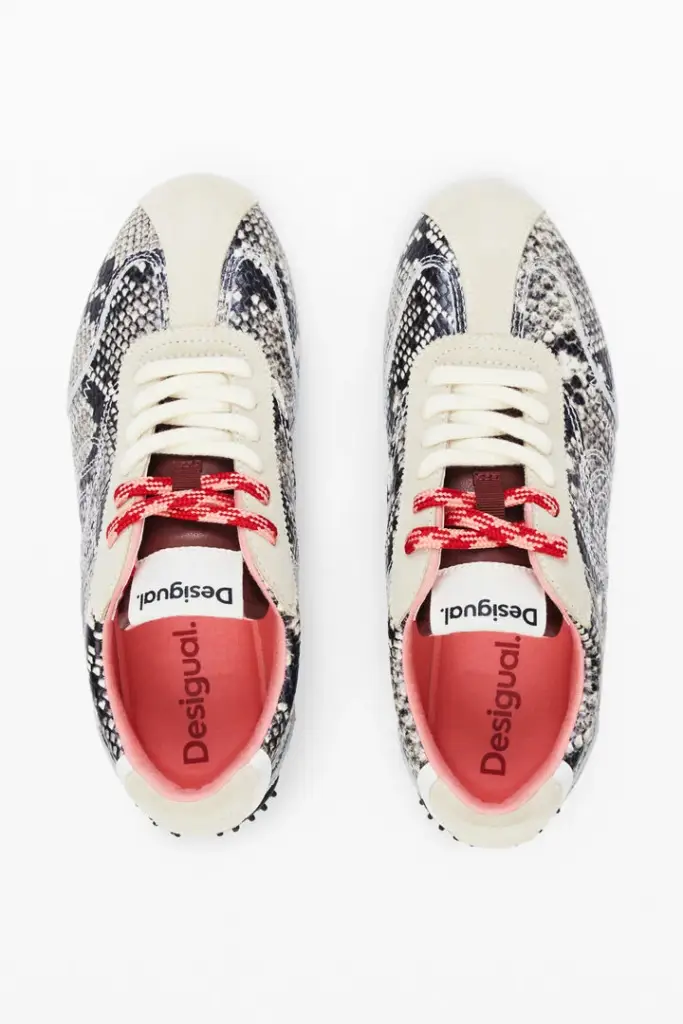
Desigual shoes exemplify a strategic alignment between brand identity and product design, offering a distinctive alternative to conventional footwear. While they do not prioritize technical performance or premium material construction, they deliver substantial value through aesthetic innovation and expressive design.
For consumers seeking footwear that functions as a form of personal expression, Desigual provides a compelling and recognizable option within the contemporary fashion landscape.