The footwear industry is undergoing a structural shift driven by technological integration, material innovation, and changing consumer expectations. Traditionally, leather shoes have been associated with heritage, craftsmanship, and conservative design. However, recent developments indicate a transition toward more experimental, forward-looking aesthetics, where leather is no longer confined to classic silhouettes but integrated into futuristic forms.
From Heritage to Innovation
For decades, leather footwear design remained relatively stable, centered on Oxfords, Derbies, and loafers. The rise of sneaker culture and streetwear disrupted this equilibrium, introducing demand for hybrid designs that merge formal materials with casual structures.
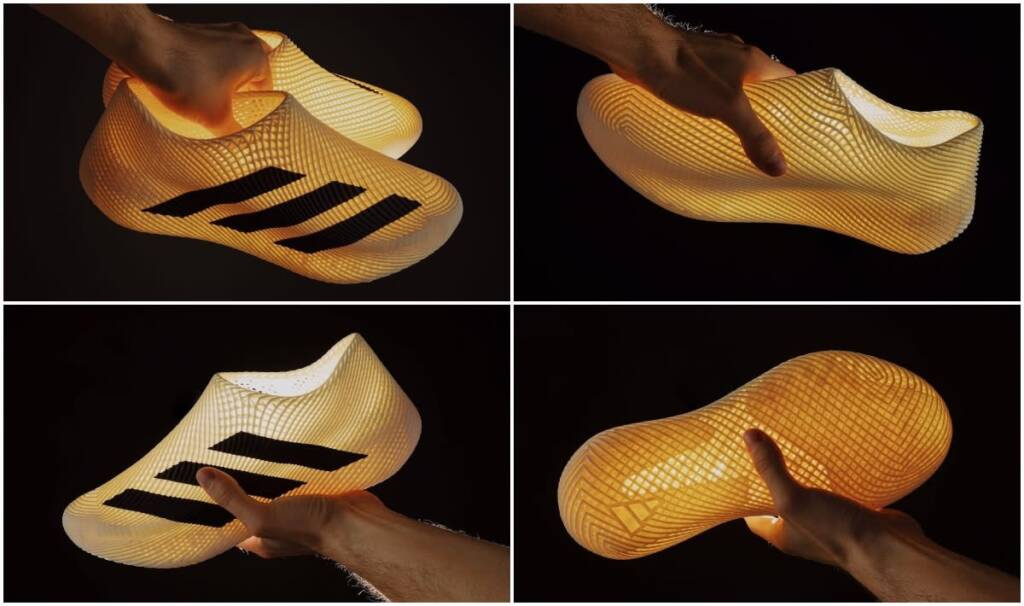
Advanced Materials and Smart Leather
One of the most significant developments is the transformation of leather itself. Traditional tanning is being complemented, or in some cases replaced—by advanced material technologies.

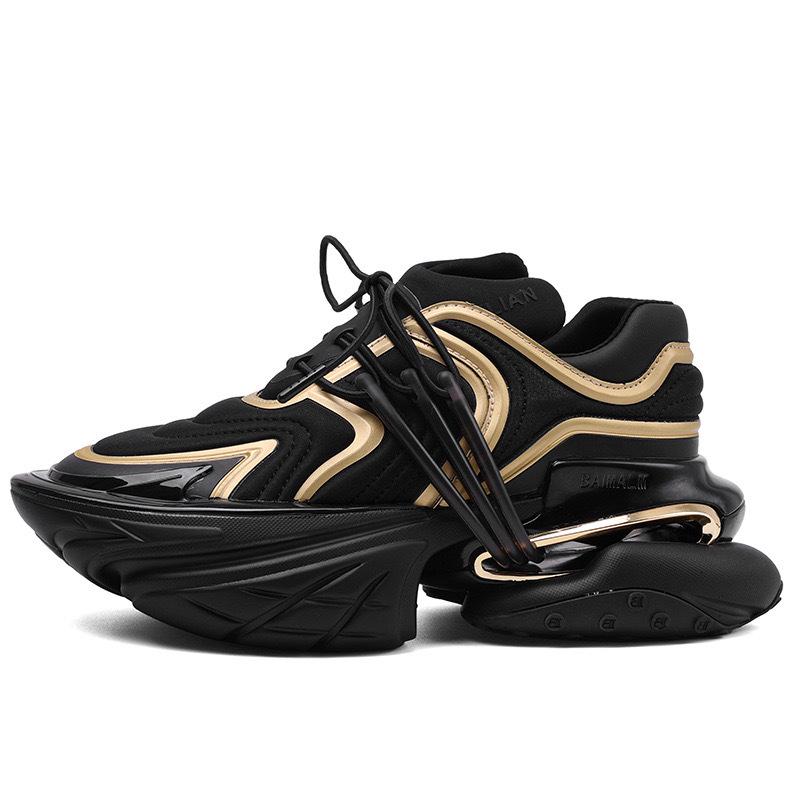
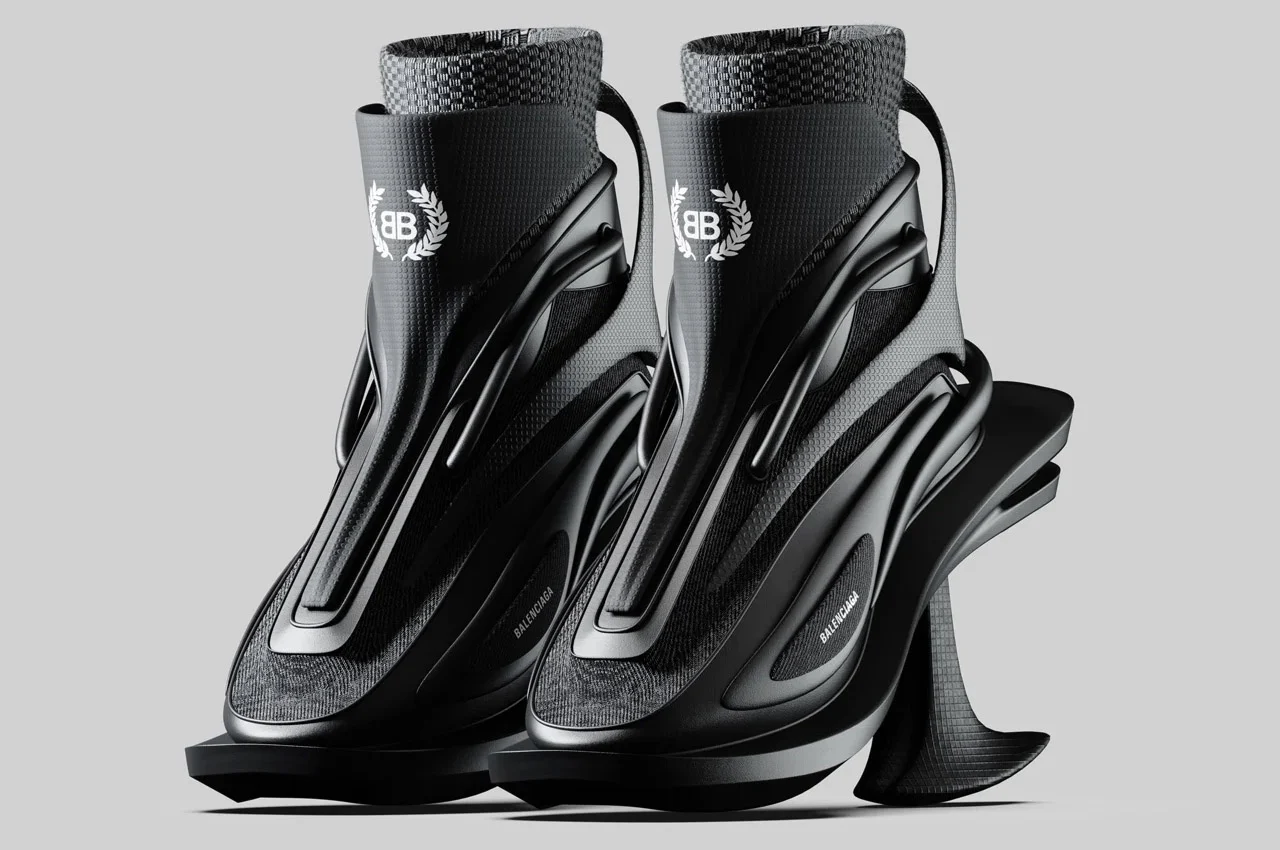
Futuristic Leather Sneakers & Hybrids
This category reflects the commercial direction of innovation, where luxury brands merge leather craftsmanship with sneaker technology, creating shoes that are both wearable and forward-looking.

What’s Next for Leather Footwear
Looking forward, the future of leather shoes will likely be defined by convergence:
- Craftsmanship + Technology – Traditional shoemaking integrated with digital precision
- Natural + Synthetic Materials – Hybrid constructions optimizing performance
- Function + Aesthetics – Shoes designed for both comfort and visual impact
The role of leather will evolve from a standalone material to part of a broader system of components, each contributing to performance, sustainability, and design.
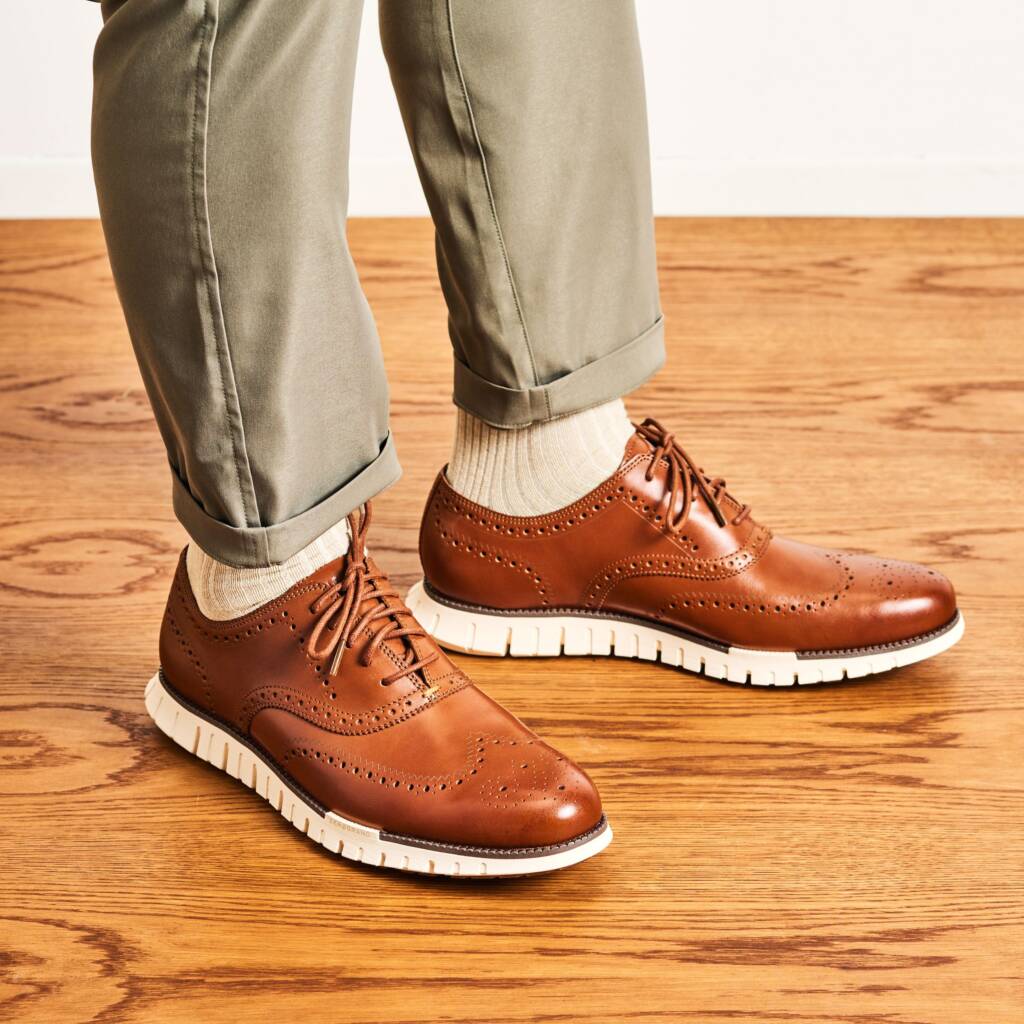

Futuristic shoe design represents a significant departure from traditional footwear paradigms. While leather remains a central element, its application is being redefined through new materials, digital processes, and evolving aesthetics.