Introduction
High-end footwear occupies a distinct segment within the fashion industry, defined not by trends but by construction quality, material selection, and durability. Unlike mass-produced shoes, premium brands prioritize longevity and precision, often relying on traditional shoemaking methods that have remained largely unchanged for decades. The result is footwear designed to perform consistently over time, both structurally and aesthetically.


What Defines a High-End Shoe
At a technical level, several factors distinguish high-end shoes from standard alternatives. The most critical include:
- Construction method – Techniques such as Goodyear welting or Blake stitching enable resoling and improve structural integrity.
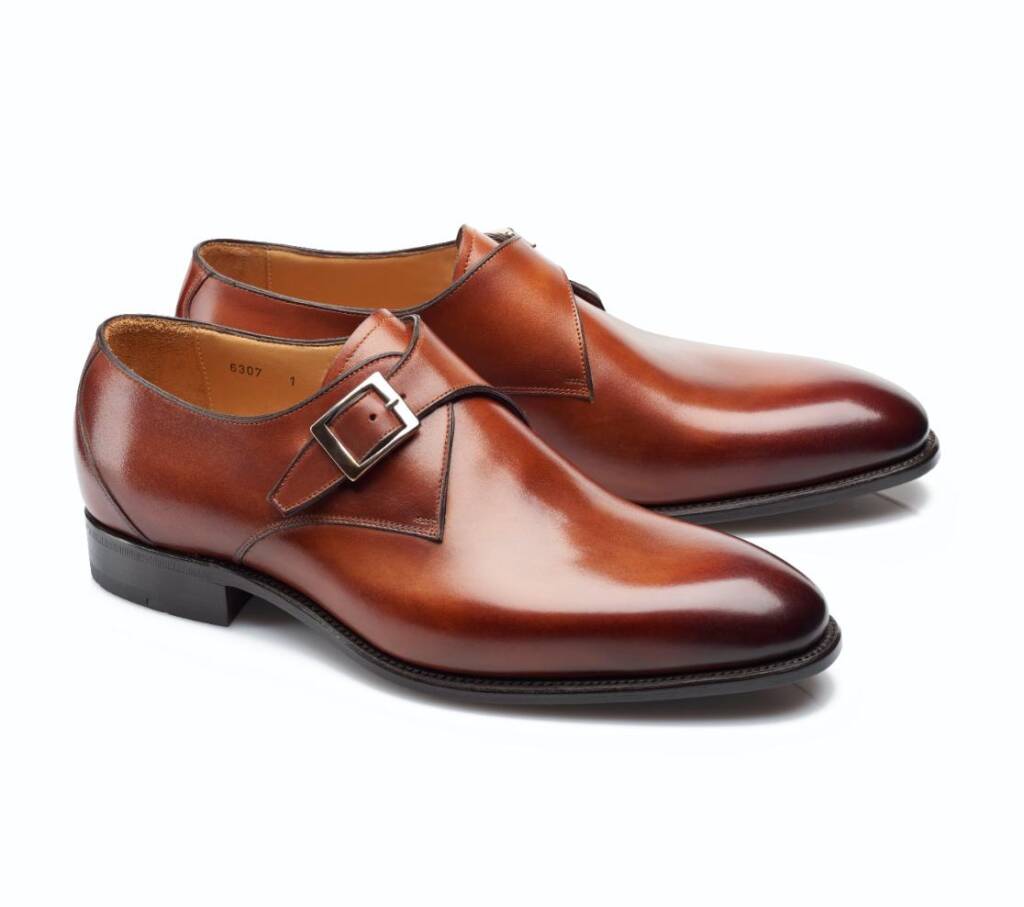
- Material quality – Premium calfskin, suede, or shell cordovan leather ensures durability and a refined finish.
- Hand-finishing – Processes such as polishing, patina application, and edge finishing enhance both appearance and individuality.
These elements contribute to a product that not only lasts longer but also improves with wear, developing character over time.

High-end shoes are often produced in specialized regions with strong shoemaking heritage, such as Northampton in the UK, Northern Italy, and parts of Spain and Portugal. Production typically involves a combination of manual and mechanized processes, with skilled artisans responsible for key stages including cutting, stitching, and finishing.
Goodyear welt construction, in particular, remains a benchmark of quality. It allows the outsole to be replaced multiple times, significantly extending the lifespan of the shoe. This makes high-end footwear less of a disposable purchase and more of a long-term investment.
Material selection plays a central role in the performance of high-end shoes. Full-grain calfskin is commonly used due to its balance of flexibility and durability, while shell cordovan is valued for its density and resistance to creasing.
The tanning and finishing processes also influence the final product. High-quality leathers develop a natural patina over time, enhancing visual depth rather than deteriorating. This characteristic differentiates premium footwear from lower-quality alternatives, which often degrade more quickly.

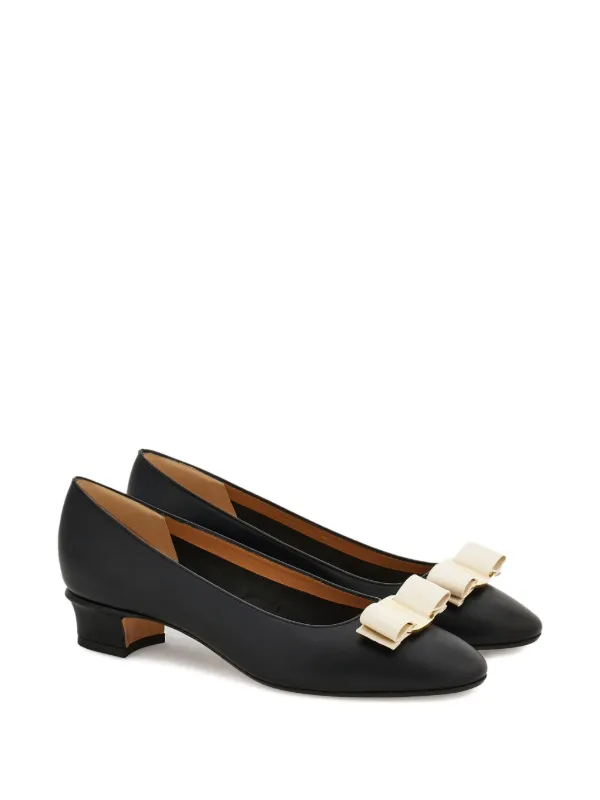
Comfort and Wearability
While aesthetics and durability are key priorities, comfort is also a fundamental consideration. High-end shoes are often constructed to adapt to the wearer’s foot over time, particularly when made from high-quality leather.
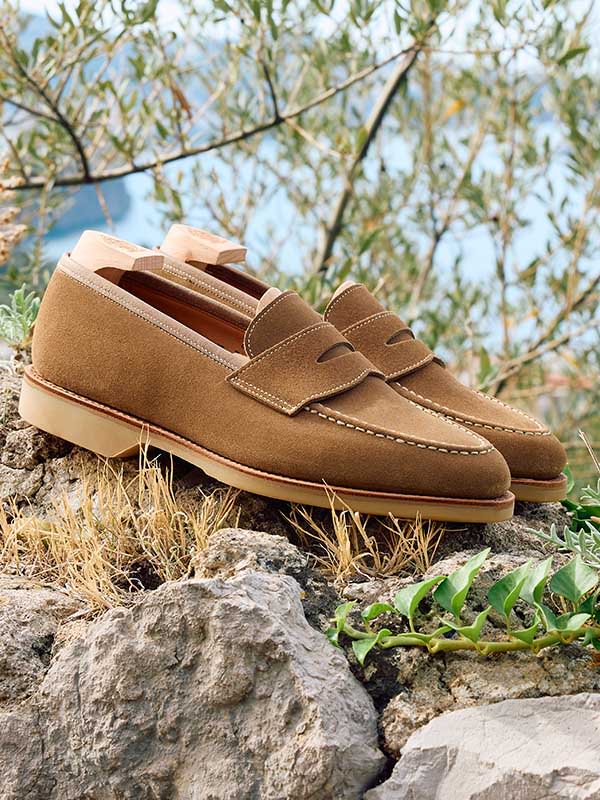
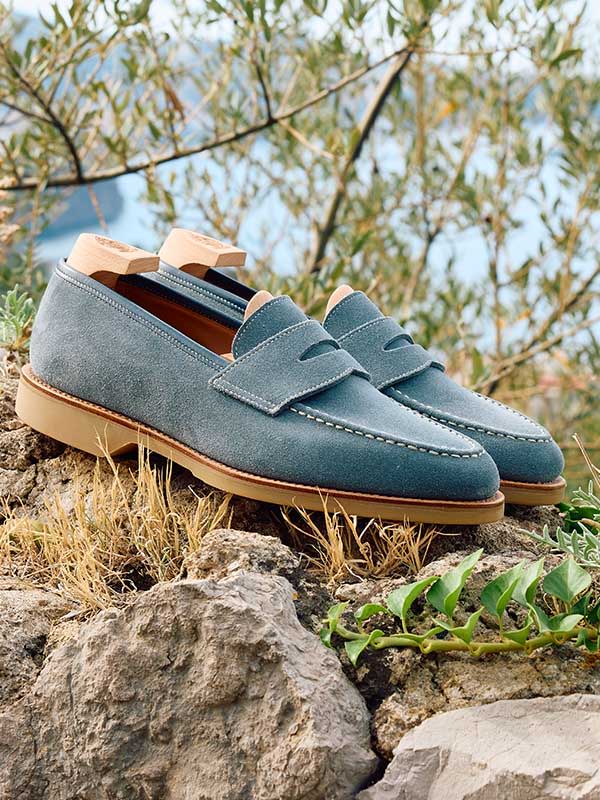
For consumers who prioritize durability, comfort, and refined presentation, investing in high-quality footwear is a rational decision rather than a purely stylistic one. In this context, premium shoes should be viewed less as an expense and more as a long-term asset within a well-considered wardrobe.