Historical Background
The company was founded by Salvatore Ferragamo in 1927, although his work in shoemaking began earlier in the United States, where he earned recognition as the “shoemaker to the stars.” During his time in Hollywood, Ferragamo designed footwear for prominent actors and filmmakers, gaining insight into both style requirements and functional demands.



Salvatore Ferragamo shoes are produced using high-quality materials, primarily premium calfskin, suede, and exotic leathers. The brand maintains strong relationships with Italian tanneries, ensuring consistency in texture, durability, and finish.
Production involves a combination of hand-finishing techniques and controlled industrial processes. This hybrid model allows Ferragamo to scale globally while preserving a high level of craftsmanship. Attention is given not only to external appearance but also to internal construction, including lining, insole comfort, and structural balance.

Ferragamo’s design approach is rooted in balance, between innovation and tradition, style and function, form and comfort. Unlike trend-driven brands, Ferragamo prioritizes enduring aesthetics that remain relevant across changing fashion cycles.
The brand’s visual identity is understated yet recognizable, often relying on subtle details such as hardware accents, material quality, and precise construction rather than overt branding.

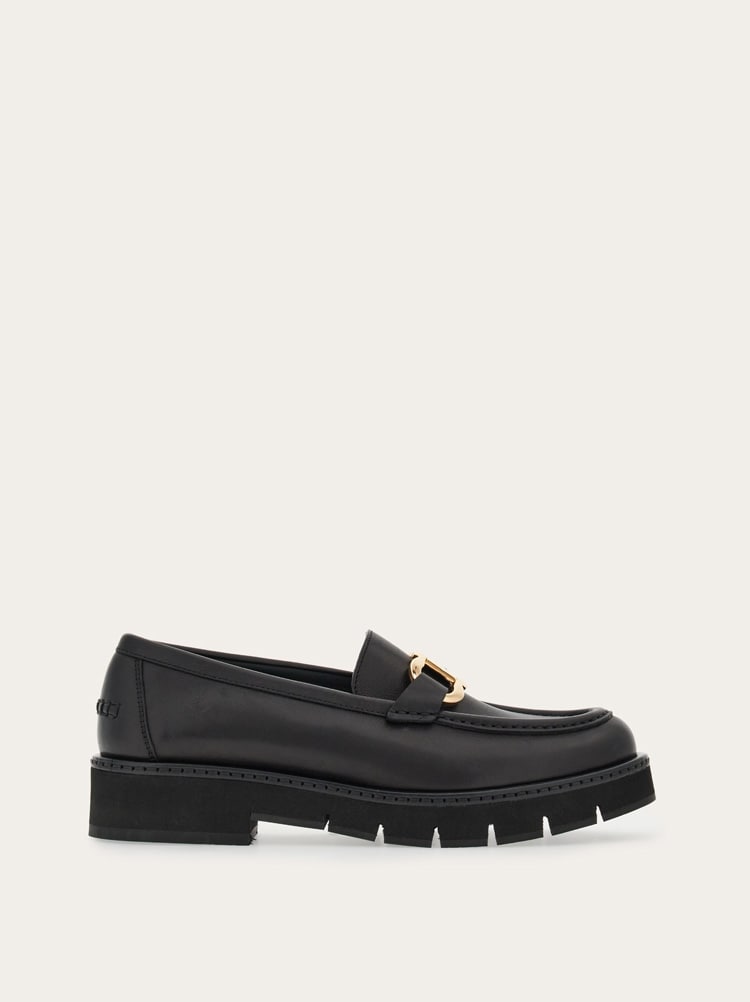

Salvatore Ferragamo shoes represent a synthesis of innovation, craftsmanship, and timeless design. By integrating technical advancements with traditional Italian shoemaking, the brand has established a durable and influential position within the luxury footwear industry.